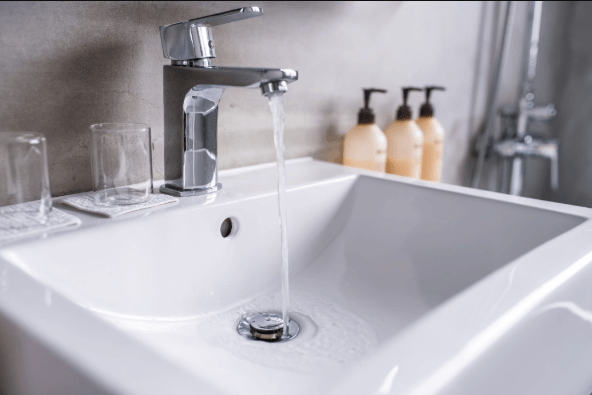
Unclogging a drain without chemicals starts with locating the blockage and choosing a safe, non-toxic approach. Begin with mechanical methods—a tightly seated plunger, then a bendable auger to reach hair or soap scum. If needed, a baking soda and vinegar treatment followed by hot water can help, or a brief controlled heat surge. Progress may stall; when it does, consider pausing and consulting a professional before the issue recurs. The next step holds practical options and clear limits.
Identify the Clog and Pick a Chemical-Free Approach
To start, determine whether the clog is in the sink, tub, or shower drain, and note the most common causes—hair, soap buildup, or food debris.
The process involves identifying clog traits and selecting a chemical free approach: prioritize natural solutions and temperature tricks, consider mechanical methods next, assess professional help if needed, and emphasize clog prevention for lasting results.
Mechanical Methods That Actually Work (Plunger, Auger, and Beyond)
Mechanical methods rely on physical force to dislodge or pull out the obstruction. Plumber’s tools deliver controlled pressure, using plunger techniques to seal and push or pull. Auger strategies explore deeper blocks, twisting and breaking debris from within pipes. Beyond plungers, bendable rods and manual twists extend reach. Each method demands patience, clean setup, and decisive, careful action.
Natural Solutions and Temperature Tricks You Can Trust
There, a few natural and temperature-based strategies offer reliable, chemical-free options for unclogging drains.
Natural solutions use simple ingredients like baking soda and vinegar in measured steps, followed by hot water flushes.
Temperature tricks involve a controlled heat surge to loosen residue.
These methods emphasize safety, simplicity, and independence, delivering practical, effective results without harsh chemicals or complex tools.
See also: The Rise of Quantum Processors
When to Pause and Call a Pro, Plus Tips to Prevent Future Clogs
When the natural methods show limited results or signs of recurring blockages, it is prudent to pause and consider professional help. Recognize when to identify warning signs and respect professional thresholds before escalating DIY efforts. A pro can assess plumbing health, prevent future clogs, and suggest proactive measures.
Implement preventative tips: avoid flushing solids, use strainers, and schedule regular maintenance.
Conclusion
A practical, precise parting thought: persistent piping problems perplexed people; prudent procedure prevails. Plungers push, pipes loosen, and plastic augers propel. Persistent patches of gunk require careful cavity care, cautious heat, and clean, controlled chemistry cleared by conscience. If problems persist, paused progress pleads for pro, proven professionals. Preventive practices prevent recurring crises: proper traps, mindful disposal, routine maintenance, and mindful_mindful measures. Ultimately, each unclogging undertaking underscores steady, systematic steps, silencing snags, sealing sequential success.
